
ศิลปะและแฟชั่น สองโลกที่มาบรรจบกันของ Shone Puipia
บทความ: ศศิวิมล สุริยะมณี ภาพ: ปฐมพร เผือกผุด
บ่ายวันหนึ่งในช่วงหน้าร้อน เราหนีความวุ่นวายและความอบอ้าวจากย่านสาทรเข้าไปในซอยสวนพลู 3 เพื่อพบกับดีไซเนอร์ชาวไทยภายในโชว์รูมแห่งหนึ่งที่ถูกตั้งชื่อว่า Soisam (ซอยสาม) บรรยากาศที่วุ่นวายจากผู้คนขวักไขว่เริ่มเปลี่ยนมาเป็นความสงบหลังจากที่เดินผ่านประตูสีไม้สีน้ำเงินเข้ามา เงาของต้นไม้และพื้นที่สีเขียวเป็นหย่อมๆ ยิ่งทำให้โชว์รูมแห่งนี้ดูน่าอยู่และร่มรื่น หลังจากชื่นชมกับความสุนทรีย์ได้สักพักเราก็ได้เข้าไปนั่งพูดคุยกับคุณโชน ปุยเปีย ดีไซเนอร์ชาวไทยผู้ก่อตั้ง Shone Puipia แบรนด์เสื้อผ้าที่อยู่ระหว่างคำว่าศิลปะและแฟชั่น เต็มเปี่ยมไปด้วยความเป็นตัวตนของคุณโชนและสะท้อนเลือดศิลปินอันเข้มข้นที่มีอยู่ในตัวเขา รวมถึงจุดยืนอันแรงกล้าท่ามกลางตลาดแฟชั่นที่แปรผันไปตามโลกอย่างรวดเร็ว สร้างการเปลี่ยนแปลงและการแข่งขันที่สูงขึ้นอยู่ตลอดเวลา หากทว่า Shone Puipia ไม่ได้ไหวหวั่นต่อความท้าทายเหล่านี้เลย แต่กลับโฟกัสและรักษาความเป็นตัวตนไว้ได้อย่างแน่นเหนียว บทสัมภาษณ์นี้เราจะพาไปเจาะมุมมองของดีไซเนอร์ชาวไทยคนนี้กันว่าในวงการแฟชั่นนั้นมีอะไรที่ลึกและเหนือกว่าที่เราคาดหมายไว้อย่างไรบ้าง และอะไรที่ทำให้ Shone Puipia ยังรักษาความเข้มข้นของคาแรกเตอร์ไว้ได้ขนาดนี้

ช่วงนี้เป็นอย่างไรบ้าง
วันๆ คิดถึงแต่เรื่องงาน (หัวเราะ) เราไม่ได้เรียกว่างานละกัน มันเป็นพาร์ทใหญ่ของชีวิตเราไปแล้ว มันเป็นสิ่งที่เรารักที่จะทำ รู้สึกโชคดีที่เราได้เจอในสิ่งที่เรารักและเราสามารถทำมันเพื่อประกอบอาชีพในด้านนี้ได้ และเราได้ครีเอทอยู่ทุกวัน ก็รู้สึกดีใจ
จุดเริ่มต้นของแบรนด์ Shone Puipia เกิดขึ้นเมื่อไหร่ และเริ่มจากอะไร
หลังจากที่เรียนจบเราก็อยากที่จะทำงานสร้างสรรค์ของเราต่อมา แล้วโชนก็มีทำสเก็ตช์ไว้อยู่เสมอ พอดีทางมิวเซียม ‘ใหม่เอี่ยม’ ที่เชียงใหม่ เขาเชิญมาจัดนิทรรศการโชว์งานสมัยเรียนที่แอนต์เวิร์ปตั้งแต่ปีหนึ่งถึงปีสี่ งานนั้นเลยเหมือนเป็นการแนะนำตัวเราต่อเมืองไทยให้คนรู้จัก เราก็เลยแพลนที่จะโชว์ผลงานต่อที่นี่ดีกว่า มันก็เลยเป็นเส้นทางเปิดตัว (Launch Path) ของเราจากตรงนั้น พอตอนจะกลับมาเลยแพลนที่จะสร้างสเปซนี้ขึ้นมาด้วย เราเลยมองหาที่ๆ เราจะโชว์งาน จริงๆ ไอเดียตอนนั้นคือมองหาที่ทำโชว์ต่างๆ ในกรุงเทพ แต่ก็ไม่เจอที่ถูกใจสักที เรามีที่ตรงนี้พอดีแล้วก็เลยคิดว่าเราทำโชว์สตูดิโอโชว์รูมของเราเพื่อที่จะเป็นโลกของเราไปเลยในการที่จะสร้างงานและโชว์ผลงาน
คิดว่าเสื้อผ้ามีหน้าที่อะไร และคิดว่ามันสามารถแสดงความเป็นตัวเองได้มากน้อยแค่ไหน
เชื่อมาเสมอว่าแฟชั่นมันเป็นเรื่องของตัวกลางให้คนแสดงบุคลิกและความรู้สึกของตัวเองออกมาจากเสื้อผ้าได้ มันเป็นสื่อหรืออาร์ตฟอร์มที่มันอยู่ใกล้ตัวเรามากและนั่นเป็นความงามอย่างหนึ่ง เป็นอาร์ตฟอร์มที่เราสวมใส่ได้ ในจังหวะที่มันเวิร์คมันควรจะชูตัวคนใส่นั้นให้มากที่สุด มันจะทำให้เรามั่นใจและดึงเอาด้านที่ดีที่สุดของเราออกมา คิดว่าเป็นพื้นที่ๆ คนเล่นสนุกได้ เราเปลี่ยนแปลงตัวตนผ่านเสื้อผ้า เช่น เราอยากจะเปลี่ยนอารมณ์ตัวเองหรือบางวันจะรู้สึกหม่นหมอง แต่ถ้าเราลองลุกขึ้นมาแต่งตัวใส่เสื้อตัวโปรดที่เราชอบ มันก็ให้ความรู้สึกที่ดี
ในฐานะดีไซเนอร์ มองอุตสาหกรรมแฟชั่นเมืองไทยตอนนี้เป็นอย่างไรบ้าง
โชนว่ามันก็เป็นอุตสาหกรรมที่มันก็เติบโตและพัฒนาขึ้นมามาก มันก้าวหน้าดีขึ้นมาเรื่อยๆ มีคนใหม่ๆ เข้ามาทำงานหลายแบบแตกต่างกันในทุกระดับเลย ก็ทำให้มีความน่าสนใจ

สิ่งที่เราหลงใหลในอุตสาหกรรมนี้คืออะไร
สำหรับโชนเองคือเราชอบที่เราได้สร้างสรรค์ความงามชนิดนึง ในฐานะดีไซเนอร์เรารู้สึกว่าเราสร้างความงามพวกนี้ออกมาให้กับโลก คือเรารักในขั้นตอนกระบวนการทำ การได้ลงมือทำ มันเป็นอุตสาหกรรมที่มันมีมืออยู่ข้างหลังเยอะในกระบวนการต่างๆ โชนชอบตรงนี้ ชอบขั้นตอนกระบวนการในการสร้างสรรค์สิ่งต่างๆ เช่น การพัฒนาคอลเลกชั่น การตัดเย็บชุด การเรียนรู้เรื่องผ้า หรือพัฒนาเทคนิคต่างๆ
ในอุตสาหกรรมแฟชั่นไทย Shone Puipia ถือว่าเจาะตลาดเฉพาะกลุ่มได้ดี สร้างจุดแข็งให้ตัวเองอย่างไร
ตั้งแต่เริ่มมาคือมีความตั้งใจที่จะเดินแบรนด์ในวิธีใหม่ที่จริงๆ ไม่รู้ที่นี่เขาเรียกว่าใหม่ไหม แต่เราทำในสเกลเล็กๆ ทุกอย่างทำตามสั่ง (Made-to-order) และอินเฮ้าส์ คือโชนให้ความสำคัญกับตัวบุคคล ตัวชิ้นงานจริงๆ เราอยากให้คุณภาพมันดี ทั้งการตัดเย็บ วัสดุที่เราใช้ เทคนิคต่างๆ ฟินิชชิ่ง คือทุกอย่างพยายามทำให้ดีที่สุดเท่าที่เรามอบให้ลูกค้าได้ เรียกว่าเราอยากสร้างผลงานที่มันพิเศษจริงๆ รู้สึกว่ามันเป็นด้านที่เราให้คุณค่าตรงนั้น
การนำศิลปะมาประยุกต์กับแฟชั่น ส่วนไหนน่าสนใจที่สุด
ด้วยพื้นหลังครอบครัวโชนที่มีพ่อแม่เป็นศิลปิน โชนก็เติบโตในสภาพแวดล้อมที่อยู่ในวงการศิลปะ มีสตูดิโออยู่ที่บ้าน เราคลุกคลีกับมันตลอด และที่แอนต์เวิร์ปเองคือจริงๆ มันเป็นโรงเรียนศิลปะที่มีแผนกแฟชั่นและอาร์ตอยู่เป็นส่วนหนึ่งของหลักสูตรมาตลอด เราก็ดึงแรงบันดาลใจจากศิลปะและใช้แนวคิดของศิลปะในการทำงานมาตลอด คือมันค่อนข้างซึมอยู่ในตัวตนเรา และพอตอนเรามาเริ่มแบรนด์ก็ค่อนข้างเป็นก้าวอย่างธรรมชาติ (Natural Step) ของมันที่มาทำในแบบนี้ ในคอลเลกชั่นโชนก็จะดึงแรงบันดาลใจจากศิลปะมาเยอะ บางทีเราใช้เทคนิคต่างๆ จากศิลปะ หรือบางทีเรามีการทำคอลลาจเพื่อทำลายปริ้นท์ หรือมีวาดลายขึ้นมาเอง แฮนด์เพ้นท์บนผ้าอะไรแบบนี้ งานโชนมันเลยอยู่ตรงระหว่างนั้นตลอด แล้วก็ยิ่งโดยเฉพาะคอลเลกชั่น ‘Hands’ ก็คือมีไอเดียอยากจะทำเดรสที่เป็นเพ้นท์ติ้งเดรสตลอด เลยลองคุยกับพ่อดูว่าแบบมาทำอะไรด้วยกันดีไหม มันก็จะมีสามชิ้นที่โชว์ที่เป็นแคนวาสจริงๆ ที่เป็นภาพวาดน้ำมันที่ทำกับคุณพ่อ ตอนนั้นที่เราตั้งชื่อคอลเลกชั่นว่า ‘Hands’ เหมือนเราอยากยกย่องความสำเร็จของมือในงานศิลปะงานดีไซน์ด้วย

มีความตั้งใจจะสร้างอะไรให้กับคนไทยบ้างไหม
เราก็อยากที่จะเป็นหนึ่งในคนที่จะได้ผลักดันตัวแฟชั่นในไทยออกไปอีก มันก็เป็นการโชว์ความสามารถและทักษะที่คนไทยเรามี ความเชี่ยวชาญงานฝีมือต่างๆ ที่เรามี ตอนนี้ก็คือมีความสนใจอยากที่จะรวมความเป็นไทยในงานของเราเข้าด้วยกัน มันเป็นเรื่องที่โชนก็คิดอยู่ในช่วงนี้ คนเขาก็พูดถึงเรื่องซอฟท์พาวเวอร์ต่างๆ ก็เหมือนกับว่ามันก็เป็นหน้าที่ของเราดีไซเนอร์เหมือนกันที่จะโชว์ความงามจากบ้านเราหรือภูมิภาคเรา ว่าเรามีความรู้ความชำนาญ เรามีอะไรได้นำเสนอมุมมองดีไซน์ใหม่ๆ ในการใช้ผ้าไทยด้วย
ความท้าทายของ Shone Puipia
การเติบโตของแบรนด์ไปเรื่อยๆ โดยที่เราอยากให้มันโตมากขึ้นแต่คือที่ผ่านมาเราก็ไปแบบเป็นขั้นเป็นตอน เราไม่อยากเสียตัวตนของเราไป เราต้องคุมให้คุณภาพแล้วก็ความมั่นคงของแบรนด์ไว้เสมอ เราก็พยายามขยายตลาดเราไปเรื่อยๆ ให้คนรู้จักแบรนด์เรามากขึ้น จริงๆ ตอนนี้อาจจะโฟกัสอยากดึงเมืองไทยให้กลายเป็นอีกหนึ่งฮับของแฟชั่น เราก็มีข้อดีคือเรามีสเปซที่จะดึงคนมาที่นี่ อาจจะสามารถเป็นจุดมุ่งหมายทางแฟชั่นอะไรแบบนี้ก็ได้
ทำอย่างไรให้รักษาจุดยืนตรงนี้ไว้
ก็ต้องยึดมั่น (หัวเราะ) เพราะถ้าตัวเองไม่ทำทางนี้ ก็ไม่รู้จะทำทางไหน มันเป็นสิ่งที่เป็นเรามากที่สุด คือเราอยากทำแฟชั่นในแบบที่เรามีความสุขที่จะทำ มันเติมเต็มตัวเรา เราได้ใกล้ชิดกับผู้คนที่ใส่งานเรา ทุกครั้งที่เวลาเขาใส่แล้วมันทำให้เขามีความสุขหรือมันเป็นส่วนหนึ่งของเหตุการณ์สำคัญในชีวิตของเขา มันนับว่าเป็นเรื่องดีๆ สำหรับเรา

คาดหวังกับอุตสาหกรรมแฟชั่นไทยในอนาคตอย่างไร
การซัพพอร์ตที่ถูกต้อง ไม่ว่าจะเป็นจากองค์กรหรือรัฐบาล เรามีความคิดสร้างสรรค์อยู่เยอะ มีแบรนด์อิสระเยอะ เรามีศักยภาพแต่เราแค่ต้องการระบบการสนับสนุนที่ดีที่อำนวยการทำงานของพวกเรา ในการผลักดันพวกเราไปสู่ต่างประเทศด้วย แพลตฟอร์มสำหรับโลคอล ครีเอทีฟซึ่งก็มีคนเริ่มทำแล้ว แต่ก็ต้องการลูกค้าหรือคนเราเองที่สนับสนุนดีไซเนอร์บ้านเรา ตอนนี้มันก็ดีขึ้นนะ
มาตรฐานของดีไซเนอร์
พูดถึงตัวเองละกันว่า มาตรฐานให้กับตัวเอง มันเป็นอาชีพที่ทำงานหนักนะ ต้องหมั่นเติมข้อมูล ดีไซเนอร์จะต้องหัดดูอะไรหลายอย่างในหลายแวดวง หมั่นเติมความรู้ให้ตัวเอง มันคือการพัฒนาตาและการปรับตัวเราต่อสิ่งต่างๆ จริงๆ งานดีไซน์มันค่อนข้างเป็นเรื่องของการคัด คัดสิ่งดี สิ่งไม่ดี ที่จะต้องตัดทอนอะไรบางอย่างออก คัดองค์ประกอบต่างๆ เพื่อมาฟอร์มงานสร้างสรรค์ของเรา

บทความที่เกี่ยวข้อง: Sarran Youkongdee and His Fascination with Antique Cabinets
The founder of the eponymous brand talks to us about the distinctive qualities of his creations.
Words: Sasiwimon Suriyamanee Photo: Pathomporn Phueakphud
One summer afternoon, we escaped the hustle and bustle of Sathorn into Soi Suanplu 3 to meet a Thai designer in a showroom called Soisam. The atmosphere turned into calm and peaceful after we walked through the blue wooden door. The shadows of trees and patches of greenery made the place look pleasantly shady and cool.
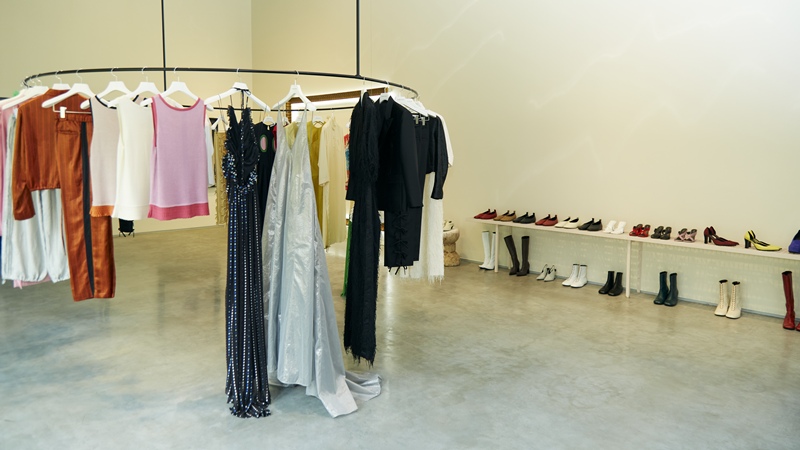
After admiring the aesthetics of the place for a little while, we sat down to talk with Khun Shone Puipia, a Thai designer and founder of Shone Puipia, a clothing brand that combines art with fashion. The brand represents Khun Shone’s identity and reflects his strong artistic roots. He also has a solid stance and is not easily shaken by any challenges in this red ocean fast-changing fashion industry. Khun Shone ensures his brand consistently focuses on his identity. This interview will allow you to understand the interesting perspectives of this Thai designer, and what makes Shone Puipia maintain its indestructible character. There is more than meets the eye in the world of fashion.
How are you doing these days?
All I can think of is work (laughs). Well, let’s not call it “work”. It’s become a big part of my life. It’s the thing I love to do. I feel very fortunate to find something I love, and I can make a career out of it, plus I get a chance to create (products) every day. I am happy.
When did you start creating Shone Puipia, please share its genesis?
After graduating, I wanted to continue my creative work. I’ve always sketched. It just so happened that the MAIIAM (Contemporary Art) Museum in Chiang Mai invited me to hold an exhibition of my work (I created) from first to fourth year during my studying in Antwerp. That event was like my debut to Thai people. So, I continued showing my work there, hence, that was my launch path. When I was coming back (to Bangkok), I planned to create this kind of space. I looked for a place to show my work. Actually, my idea at the time was to look for places in Bangkok to exhibit my work, but I couldn’t find a place that I really liked. I own this piece of land, so I had an idea of turning it to a studio, (or) showroom to be my real space in creating and showcasing my work.

What are the roles of clothes? And how much do you think they can express the identity of the wearer?
I have always believed that fashion is a medium for people to express their own personality and feelings through the clothes (they wear). It is a medium or an art form that’s very close to us, and that is a kind of beauty. Clothes are an art form that we can wear. With the right match, they’re supposed to make the wearers shine, make them feel confident and bring out the best in them. I think it is a space where people can have fun. We can change our identity through clothes. For example, (when) we want to change our mood, or some days (when) we feel gloomy, if we try to dress up in our favorite clothes, (then) that will make us feel good.
As a designer, how do you see the current fashion industry in Thailand?
I think, it’s an industry that has grown and developed a lot. It has progressed and gotten better all the time. There are new people working in different styles at every level, which makes it interesting.
Can you share your passion in this industry? What is your passion in this industry?
For me, I love that I can create a kind of beauty. As a designer, I feel like I create this kind of beauty for the world. I love the process of making them, getting my hands dirty. It’s an industry where there are a lot of manual steps involved in the process. I love that. I love the process of creating them, like designing a collection, making clothes, learning about fabrics, or developing the techniques.

In the Thai fashion industry, Shone Puipia is considered to have penetrated a niche market very well. How do you build the brand’s strength?
Since the beginning, my intention has been about creating the brand in a new way. I’m not sure if you can call it “new” here, but we do it on a small scale. Everything is done in-house and made-to-order. We really care about the importance of individuality and each piece of work. We want the products to be in good quality, whether the tailoring, the materials we use, the techniques, the finishing. We try to do everything as best as we can for the customers. We want to create something truly special. These are the areas that we value.
What is the most interesting part about applying art to fashion?
With my family background, my parents are both artists. I grew up in the art circle. I had (an art) studio at home. I was always involved with it. And in Antwerp, it was actually an art school that had a fashion and art department as part of the curriculum. I have always been inspired by art and used art concepts in my work. It’s my DNA. when I began to build the brand, it felt like a natural step. It was a naturally thing to do. In my collections, I gain a lot of inspiration from art. Sometimes I also use techniques from art. Or sometimes I make collages to create print patterns, or I draw my own patterns, (or sometimes) I hand paint on fabric. So, my work has always been something in between (art and fashion). Especially with the ‘Hands’ collection, I had an idea of making painted clothes. So, I talked to my dad about doing something together. There were three pieces on display that were actually oil painting on canvases that I did with my dad. At the time, we named the collection “Hands” because we wanted to honor the achievements of hands in art and design.
Do you intend to create something for Thai people?
We want to be part of those people who help elevate Thailand’s fashion. It’s a way to show the abilities and skills that Thai people have, (and) the expertise in various handicrafts that we have. Right now, we are interested in putting Thainess into our work. It is actually something that I am thinking about at the moment. A lot of people are talking about various kinds of soft power. It’s like our duties as designers to show the country’s or the region’s beauty, (showing) the knowledge and expertise, and to present new design perspectives in using Thai fabrics.
What are the challenges of Shone Puipia?
The brand is growing steadily. We want it to grow even more but we have been doing it step by step. We don’t want to lose the brand’s identity. We have to maintain the quality and stability of the brand and try to expand the market reach so that people have more brand awareness. Actually, right now, we’re trying to focus on having Thailand to be another fashion hub. We have an advantage of having this space that can attract people. It might be a fashion destination or something like that.
How do you maintain your standpoint (in work)?
I have to stick to it (laughs). Because if I don’t do this, I don’t know what else to do. It’s the thing that’s most representing me. I want to create fashion (items) in the way that I’m happy to do. It fulfills me. I get to be close to the people who wear my work. Every time they wear it, it makes them happy or it’s a part of an important event in their life. It’s a good thing for me.”

What do you expect from the Thai fashion industry in the future?
A proper support, whether from organizations or the government. We have a lot of creativity, many independent brands (in the country). We have potentials, but we just need a good support system that facilitates our work, to promote us to overseas markets. There are some platforms for local creators already, but we still need more customers and more people to support local designers. Now it’s getting better though.
What are the designer’s standards?
Let’s talk about mine, the standards I set for myself. (Because) Designer is a career path in which we need to work very hard, and you have to keep yourself up to date. You must learn to notice what’s going on in many fields, keep adding knowledge to yourself. It’s about developing skills in perceiving things with your eyes and adapting yourself into different things. In fact, designing is a matter of selecting, selecting good things, cutting out some things that are not good, selecting various elements to form our creative work.
See also: Sarran Youkongdee and His Fascination with Antique Cabinets
